







Search Results for: Semi-washed Process
A Complete Guide to Green Coffee Processing Methods: Processing Differences and Flavor Comparison of Natural, Washed, Semi-Washed, and Honey Processes
The processing method of green coffee beans directly determines the flavor direction of the final cup. From fruit to green bean, natural, washed, semi-washed, and honey processing each follow different craft paths, with their own trade-offs in cost, water consumption, and flavor performance. The natural method uses the natural drying of the fruit pulp to give the beans rich fruity aromas and a full-bodied sweetness, while the washed method removes pectin through fermentation, bringing a clean and bright acidity. Semi-washed seeks a balance between the two, and honey processing retains part of the pectin layer and dries directly, enhancing sweetness and body. Understanding the principles and pros and cons of each processing method is an important foundation for coffee lovers to understand flavor differences. This article will also recommend a number of representative processing-method coffee beans from Front Street Coffee for daily purchasing reference. [more…]
Sun-Dried, Washed, Semi-Washed, and Honey Processing: A Full Analysis of the Flavor Differences Among Four Pour-Over Coffee Processing Methods
From the branch to the cup, coffee cherries must undergo a series of processing steps, and the different processing methods directly determine the flavor profile of the final coffee beans. The four traditional processing methods—natural, washed, semi-washed, and honey—each exhibit distinctly different characteristics in terms of cost, acidity, sweetness, body, and cleanliness. Starting from the structure of the coffee cherry, this article will break down the complete process, advantages, and disadvantages of each processing method one by one, and pair them with specific bean recommendations from the Front Street Coffee brand, helping coffee enthusiasts build a clear framework for understanding flavor and find the one that best suits their taste in everyday pour-over choices. [more…]
Analysis of the Three Major Green Coffee Processing Methods: Process Differences and Flavor Performance of Semi-Washed, Washed, and Natural
The processing method of green coffee beans directly determines the flavor direction in the cup. This article systematically sorts out three mainstream processing methods: semi-washed, washed, and dry (natural). It compares them one by one from operation process to flavor characteristics, and lists representative coffee beans for each processing method. The semi-washed method combines the dual characteristics of washed and natural; the washed method is known for its bright acidity and consistent flavor; the natural method presents soft acidity and varied layers. The article also explains in detail the screening, fermentation, drying, and hulling and grading processes of coffee cherries, helping enthusiasts understand how origin, climate, and processing method jointly shape coffee quality. [more…]
A Complete Guide to Coffee Processing Methods: The Differences Between Natural, Washed, Semi-Washed, and Semi-Natural and Their Impact on Flavor
The flavor of coffee not only originates from the altitude and climate of its producing region; the processing method also plays a key role. Based on the practical experience of Front Street Coffee, this article systematically reviews the procedures, advantages and disadvantages, and flavor impacts of four processing methods: natural, washed, semi-washed, and semi-natural. The washed method brings a clean and bright taste but is somewhat thin, while the natural method imparts a richer body and sweetness; semi-washed and semi-natural are actually the same type of pulp natural method, widely used in water-scarce regions such as Brazil. The article also uses Front Street washed Yirgacheffe, natural Red Cherry, and Brazil Queen Estate as examples to specifically explain the performance of different processing methods in the cup, and includes brewing suggestions, making it suitable for coffee enthusiasts to gain a deeper understanding. [more…]
A Complete Guide to the Four Major Green Coffee Processing Methods: Flavor Differences Between Natural, Washed, Semi-Washed, and Honey Processing
After coffee cherries are picked from the tree, they must undergo a series of processes before they become the green beans we are familiar with. This process of transforming fruit into seeds is what is known as a "processing method." Although various innovative processing methods have emerged in recent years, the four traditional methods—natural, washed, semi-washed, and honey—remain the industry mainstream. Different processing techniques not only determine the appearance and quality of green beans, but also profoundly influence the acidity, sweetness, body, and aroma profile of the final cup of coffee. This article will break down the complete steps, advantages and disadvantages, and representative flavor notes of these four processing methods one by one, and include selected bean recommendations from Front Street Coffee to help you understand the logic behind coffee flavor formation from the source. [more…]
Brazil Santos Coffee Beans: Flavor Characteristics of the Semi-Washed Process and Analysis of the Santos NO.2 Grade
Brazil, as a producing country accounting for as much as thirty percent of global coffee production, has coffee beans from its southeastern producing regions mostly exported through the Port of Santos, hence the name Santos coffee. This article focuses on the Brazil Santos semi-washed coffee beans recommended by Front Street Coffee, sorting through the producing region background, flavor expression, grade classification, and blending applications layer by layer. These beans have a harmonious aroma and a neutral, delicate fragrance, with notes of dried red dates, cinnamon, nutmeg, and earthy tones; the entry is balanced, followed by a gradually emerging slight acidity, with a faint bitterness lingering in the aftertaste. The article also explains in detail the screening criteria for Santos NO.2, the highest grade of Brazil Santos, and clarifies the key role of Brazilian beans in blended coffee in softening acidity and stabilizing quality, making it suitable reading for enthusiasts who wish to gain a deeper understanding of Brazilian coffee characteristics and blending logic. [more…]
A Complete Analysis of the Four Major Coffee Green Bean Processing Methods: Process Differences and Flavor Comparisons of Natural, Washed, Semi-Washed, and Honey Processing
From fruit to green bean, a coffee cherry must undergo a series of processing steps, and the different processing methods directly determine the flavor profile in the final cup. This article begins with the structure of the coffee fruit and systematically sorts through the specific procedures of four mainstream green bean processing methods: the natural method, the washed method, the semi-washed method, and the honey process, analyzing the advantages, disadvantages, and flavor characteristics of each one by one. Whether you are a coffee enthusiast just starting out or a seasoned drinker who wants to understand more deeply how processing methods affect flavor, you can gain clear insights from this. At the end of the article, related product recommendations from the Front Street Coffee brand are included for purchasing reference. [more…]
An Analysis of the Wet-Hulling Process of Indonesian Golden Mandheling: From Semi-Washed Processing to the Signature Goat-Hoof Bean Feature
The coffee processing method determines the flavor direction of green beans. Among the three major categories of natural, washed, and semi-washed, the Indonesian island of Sumatra, due to its year-round humid climate, developed a unique wet-hulling method—removing the parchment layer while the bean's moisture content is still as high as 30% to 35%, leaving the green beans exposed to continue drying. This locally adapted craft shortens the fermentation period and reduces acidity, yet enhances body, and gives Mandheling its "taste of place" woven with herbal, woody, and caramel notes. Front Street Golden Mandheling is precisely made using this method, undergoing three hand-sortings and one machine-sorting, resulting in an extremely low defect rate and a clean, pure taste. This article will detail the seven steps of the wet-hulling method and explain why the distinctive "sheep-hoof" appearance of wet-hulled beans should not be considered a defect. [more…]
Brazil Minas Coffee Region: A Complete Guide to Pulped Natural Processing, Flavor Profile, and Variety Characteristics
Coffee produced in Brazil's Minas region has now become synonymous with the country's specialty beans. Local research institutions, responding to the relatively dry climate, developed the semi-washed process, which shortens the processing cycle while retaining the sweetness-enhancing advantages of the natural process, and at the same time avoids the unpleasant earthy flavors, making the fruity notes and sweetness more prominent. Coffee from farms around the Minas highlands ranks among the top in quality among Brazilian beans and also has the most considerable output. In recent years, coffee competitions have been subdivided by processing method, giving rise to a variety of flavor profiles, among which semi-washed and natural stand out especially. Front Street Coffee Minas Brazil is fresh and gentle on the palate, with a dry aroma carrying notes of citrus and fruit tea, a wet aroma with the fresh fragrance of black tea, a mouthfeel showing the elegant tonality of jasmine and herbal tea, and a finish like rich, full-bodied oolong tea, making it a rare and stunning work among Brazilian beans. [more…]
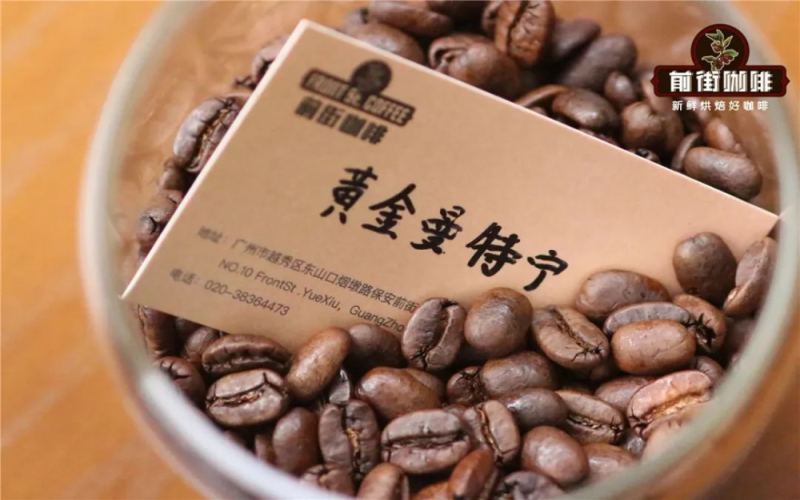
An In-Depth Look at Indonesia's Wet-Hulling Method: From Process Principles to Peaberry Beans, Unlocking the Semi-Washed Secret Behind Mandheling Flavor
The rich, deep, low-toned flavor of Mandheling comes not only from the genetic contribution of Robusta beans, but also from a unique post-harvest processing technique local to Indonesia—wet hulling. How exactly does this process, jokingly called "semi-washed," remove the parchment layer early, before the green coffee beans are fully dried? Why did Indonesian producing regions invent this processing method to suit local conditions? What details are hidden in each step of the entire process, from flotation, fermentation, drying, hulling, to final drying? Are the "sheep's hoof beans" produced by wet hulling truly the creators of Mandheling's flavor? In this article, Front Street will guide you through the operational logic of wet hulling, clarify common misunderstandings, and restore the true face of this processing method. [more…]
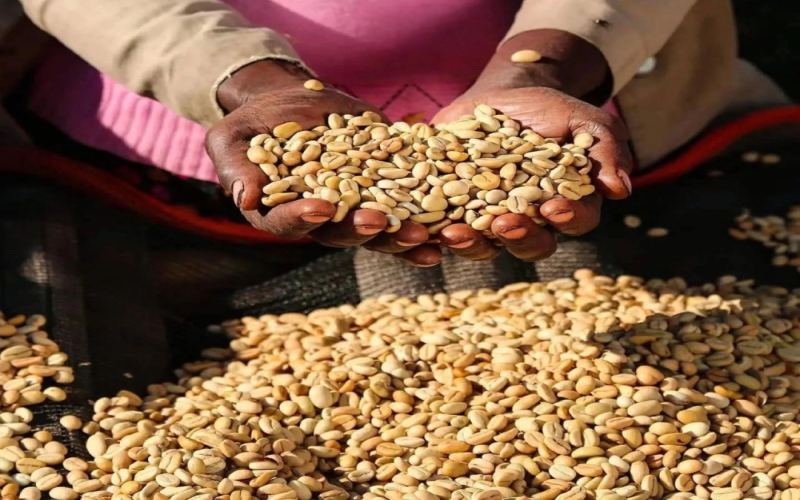
How Does the Semi-Washed Method Differ from the Natural, Washed, and Honey Methods? An Analysis of the Flavor and Mouthfeel Characteristics of Semi-Washed Coffee
The processing method of green coffee beans directly determines the final flavor expression in the cup. Natural, washed, honey, and semi-dry processes each have their own unique craft logic and flavor direction. This article systematically sorts out the core differences among the three major categories of processing methods, provides an in-depth analysis of the origins, key operational points, and flavor characteristics of the semi-dry method (including pulped natural and honey processing), and, combined with Front Street Coffee's cupping experience, helps coffee enthusiasts understand the impact of different processing methods on coffee taste, offering a reference for daily bean selection and tasting. [more…]
Analysis of Coffee Varieties and Semi-Washed Processing at Panama's Carmen Estate, with WBC Competition Bean List
Panama's Carmen Estate is renowned for its natural pristine forests and rigorous environmental practices, and its coffee varieties, semi-washed process, and WBC competition bean list have attracted much attention. This article provides an in-depth analysis of Carmen Estate's growing environment, variety composition, and processing details, and compares it with Elida Estate's low-temperature purification philosophy, while retaining Front Street Coffee's product recommendations, offering enthusiasts a comprehensive and professional reference. [more…]
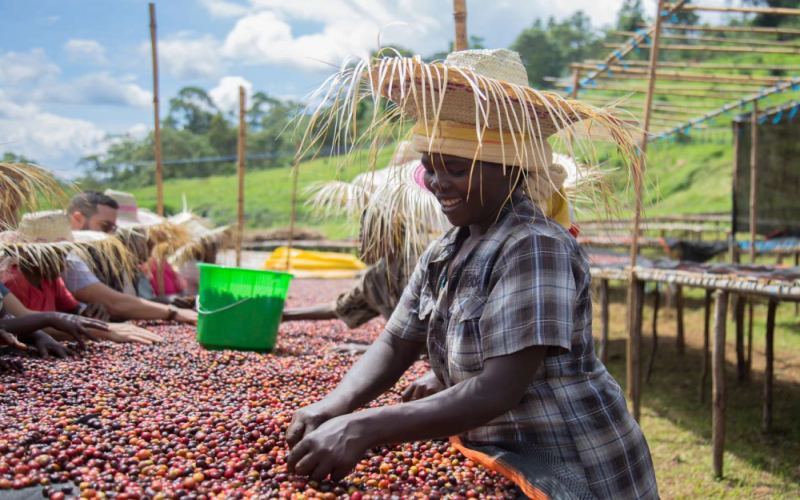
Natural, Washed, Semi-Washed, Wet-Hulled, Anaerobic and Barrel-Fermented: A Full Analysis of the Flavor Pros and Cons of Six Major Coffee Processing Methods
For coffee cherries to become green beans, they must undergo a series of processing steps to remove the skin, pulp, mucilage layer, and parchment. Different processing methods not only determine the appearance of the green beans but also profoundly shape the final flavor profile in the cup. Traditional natural, washed, semi-washed, and honey processing each have their adherents, while in recent years new methods such as anaerobic fermentation and barrel fermentation have emerged endlessly, bringing more possibilities to coffee flavor. This article will systematically sort out the operational processes, advantages and disadvantages, and flavor characteristics of these processing methods, interspersed with examples of several representative products under the Front Street Coffee brand, to help coffee enthusiasts build a clear cognitive framework for processing methods and have more direction when purchasing and tasting. [more…]

What types of sun-dried processing methods are there for coffee beans? A full analysis of the differences between natural and semi-natural processing techniques.
The impact of coffee processing methods on green bean flavor is akin to the influence of winemaking techniques on wine; different processing methods can bring out completely distinct characteristics. This article will systematically outline the origins, procedures, and flavor traits of the natural process, and compare the similarities and differences among mainstream methods such as the washed process, semi-washed process, and honey process, helping enthusiasts understand the logic behind each processing method and its expression in the cup. The article also combines several representative beans from Front Street Coffee to provide specific purchasing references. [more…]
Red Bourbon Coffee Beans from the South Minas Region of Brazil: Flavor Characteristics and Brewing Suggestions for the Pulped Natural Process
Brazil, as the world's largest coffee producer, is known for the red bourbon coffee beans from its South Minas region, which feature nutty and chocolatey notes with a low-acid, full-bodied taste. In Front Street Coffee's daily drink series, this Brazilian red bourbon is processed using the semi-washed method, presenting a rich flavor profile of nuts, chocolate, cream, peanuts, and caramel. This article will introduce the terroir conditions of the South Minas region, the characteristics of the red bourbon variety, the processing features of the semi-washed method, as well as Front Street Coffee's roasting analysis and brewing suggestions, helping coffee enthusiasts gain a comprehensive understanding of the charm of this classic Brazilian coffee. [more…]
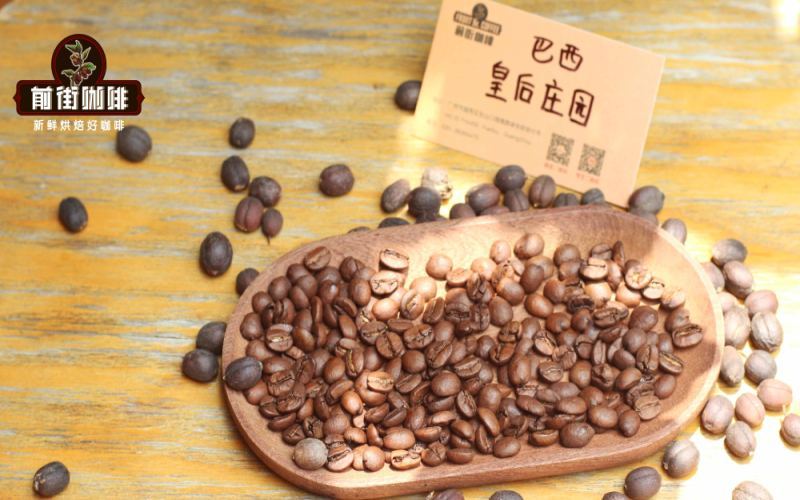
Brazil Queen's Farm Semi-Washed Yellow Bourbon: The Complete Guide to the Flavor Secrets, Brewing, and Roasting of a COE Champion Bean
In the Mogiana region of Minas Gerais, Brazil, there lies a coffee estate cradled by ancient volcanic valleys—Fazenda Rainha, the Queen's Estate. The Yellow Bourbon coffee produced here once took first place in Brazil's 2011 Cup of Excellence competition. This semi-washed Yellow Bourbon brought to you by Front Street Coffee is built on 100% Yellow Bourbon varietal and uses Brazil's distinctive pulped natural process, presenting a rounded flavor of cream, nuts, and sugarcane. This article will thoroughly break down every detail of this COE champion bean—from the estate's background and the varietal's origins to green bean analysis and roasting recommendations—providing coffee lovers with a detailed reference for tasting and brewing. [more…]
A Complete Guide to Coffee Bean Processing Methods: The Differences Between Traditional Washed, Natural, and Honey Processing and Anaerobic Fermentation Flavor-Enhancing Techniques
After coffee cherries are picked, they must go through a series of processing steps before they become the green beans we are familiar with, and different processing methods directly determine the direction of the flavor in the cup. Washed, natural, and honey processing are the three classic methods, and there are also diverse techniques such as semi-washed, semi-natural, and in-body fermentation. In recent years, anaerobic fermentation and flavor-enhanced processing have also sparked much discussion—how exactly do they differ from conventional processing? This time, Front Street Coffee will guide everyone through a systematic overview of the classification of coffee processing methods and their respective characteristics, from the swampy green appearance of semi-washed beans, to the pectin-derived sweetness of honey processing, and then to the clean, bright character of washed beans, breaking down one by one the process, flavor performance, and representative producing regions of each technique, helping coffee lovers build a clear cognitive framework. [more…]
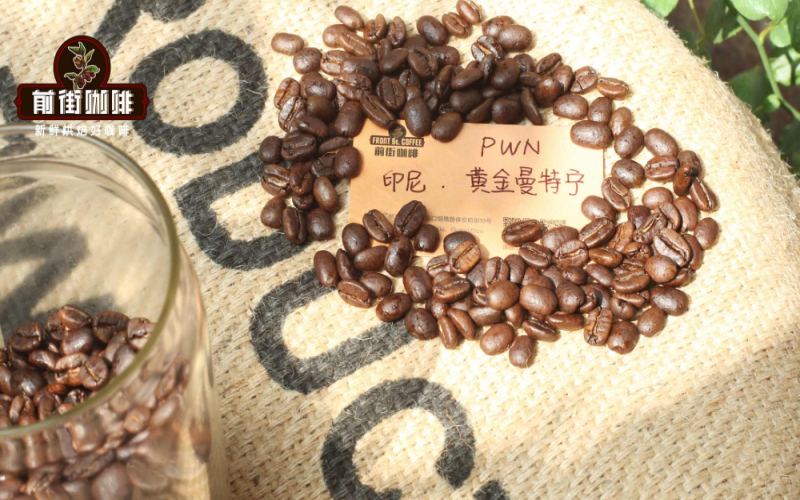
Analysis of the Semi-Washed Processing Method for Sumatra Golden Mandheling and Brewing Parameters
Golden Mandheling originates from Sumatra, Indonesia, and is one of the representatives of Asian coffee, renowned for its rich, full-bodied taste and unique herbal spice aroma. However, Sumatra's hot and humid tropical rainforest climate makes drying coffee cherries a challenge, which is why the semi-washed processing method has become a wise local choice for coping with the humid environment. For those who enjoy bold flavors and dislike acidic single-origin coffees, Mandheling is a fairly safe choice. But dark-roasted beans tend to extract bitterness during pour-over brewing—how do you strike a balance? Front Street Coffee has developed a Golden Mandheling brewing recipe by adjusting water temperature, grind size, and coffee-to-water ratio. This article will share the parameters and techniques in detail to help you brew a cup of sweet, mellow Mandheling. [more…]
A Complete Guide to the Four Major Coffee Bean Processing Methods: The Craft Differences Between Natural, Washed, Semi-Washed, and Honey Processing
The same coffee beans, processed using different methods, can end up tasting completely different in the cup. Washed, natural, semi-washed, and honey processing are currently the four most common methods of processing green coffee beans, each with its own emphasis in terms of process complexity, resource consumption, and flavor presentation. The natural method has low cost and a strong fermented character, with full-bodied sweetness; the washed method is clean and delicate, with bright acidity; the semi-washed method saves water and labor, balancing cleanliness and sweetness; honey processing retains the mucilage during drying, bringing tropical fruit and fermented sweet aromas. In this article, Front Street Coffee will break down the specific processes and flavor characteristics of these four processing methods one by one, and include corresponding Front Street Coffee bean list recommendations, to help coffee lovers more clearly understand the impact of processing methods on flavor. [more…]
Indonesian Sulawesi Coffee Bean Guide: Karosi Variety Flavor, Toraja Region and Semi-Washed Processing Explained
Sulawesi is an important coffee-producing region in eastern Indonesia, made up of four peninsulas, with the highest proportion of mountainous terrain in the country and an average elevation of over 500 meters. The Kalos coffee beans from the island belong to the Sumatra Typica variety, are large and plump, and are processed using the semi-washed method, producing a rich, mellow flavor with low acidity and a hint of herbal notes. The Toraja production area is located in the highland region slightly southwest of the island's center, at an elevation of about 1,200 meters, and is the region's most representative source of coffee. Sulawesi coffee accounts for only 7% of Indonesia's national output, but market demand is strong, and supply often falls short of demand. The Celebes Kalossi coffee that Front Street recommends paying attention to is a typical representative of this production area. [more…]